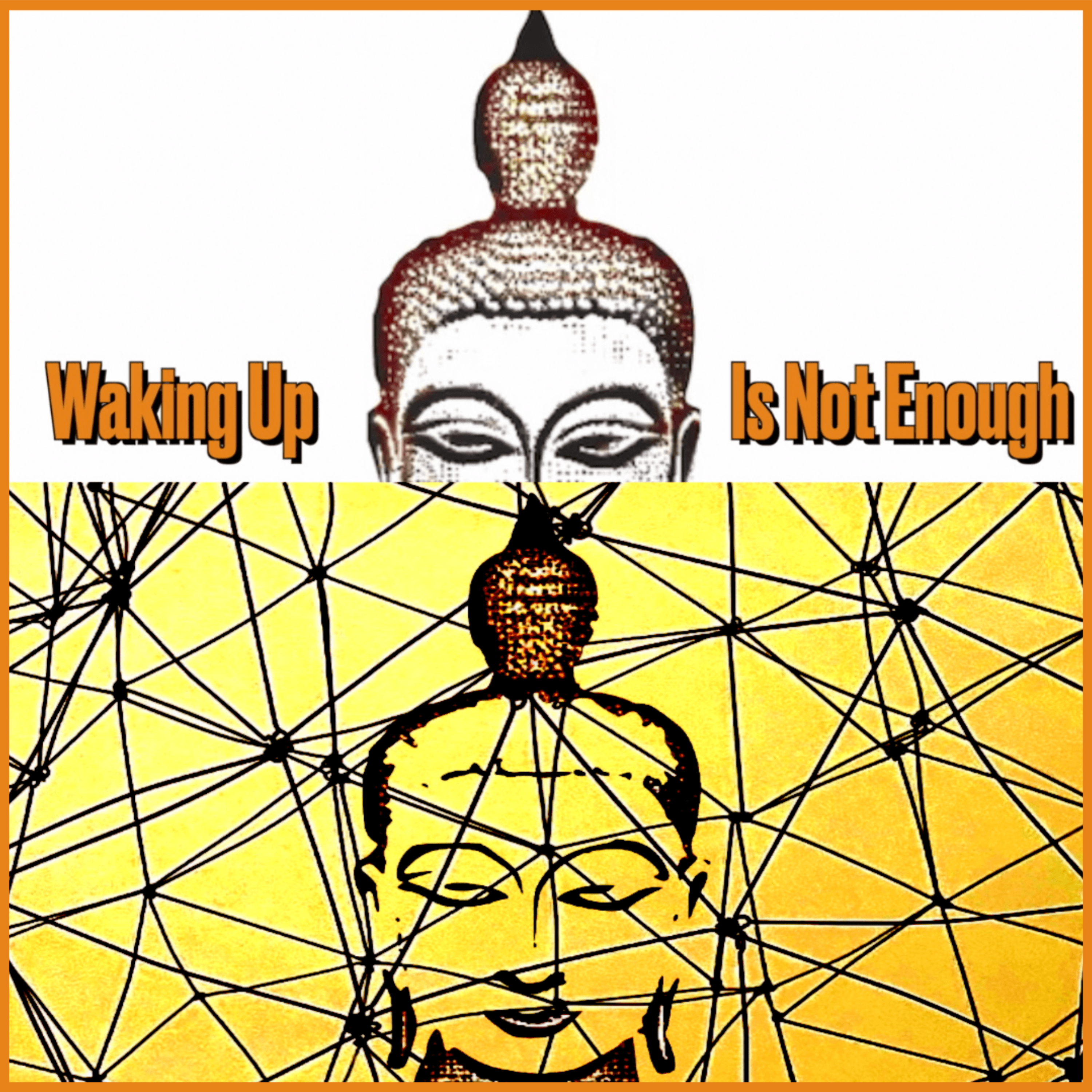
What does it mean to be impulsive from the perspective of how you see yourself and other people? When does this way of acting and thinking first arise in human development and how does it change and adapt to self-control and self-care? Why is impulsiveness considered “pre-conformist” or reactive and predictable? In this episode, you will learn about how your self-care can lack concern and compassion for others and under what circumstances your awakening can lead simply lead to more stereotyping and self-promotion.
How are awakening and adult development affected by widely different languages and cultures? Mike and Polly have a fascinating conversation with Bruce Knauft Ph.D,...
Bill Waldron PhD is professor of Religious Studies at Middlebury College where he teaches Indian religions, especially Buddhism. His recent book “Mind Only: Why...
GoFundMe Page - https://www.gofundme.com/f/support-real-dialogue-polly-mikes-podcast-on-awakening Polly and Mike talk with writer and speaker Terry Moore whose recent book Here.Now.One: A Practical Guide to Spiritual Life ...