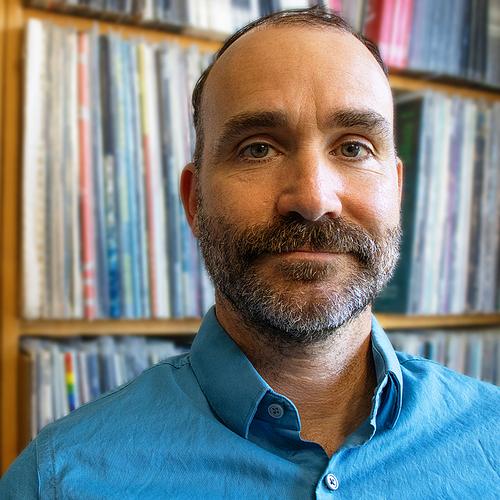
As AI becomes more integrated into our lives, and calls grow louder for ethical guardrails on its development, whose ethics are we talking about? Polly Young-Eisendrath and Michael Berger join B. Scot Rousse to talk about how AI amplifies long-standing human vulnerabilities—our hunger for mastery, our blindness to our own defenses, and our willingness to be seduced by intelligence or authority that appears all-knowing. Together, we explore what we can do as individuals and communities to wake up and respond to what is happening. This episode challenges the complacency that we can leave these concerns to tech companies and corporations that embrace no moral or ethical commitments, inviting listeners to reconsider what genuine responsibility in the age of AI actually requires.
B. Scot Rousse is the Director of Research for Pluralistic Networks, Inc., an educational and professional development company based in Oakland, CA. He received his Ph.D. from Northwestern University and a B.A. at Berkeley. His recent work has appeared in Continental Philosophy Review, European Journal of Philosophy, Communications of the ACM, The Cambridge Heidegger Lexicon, and a volume on Teaching and Learning in Adult Skill Acquisition.
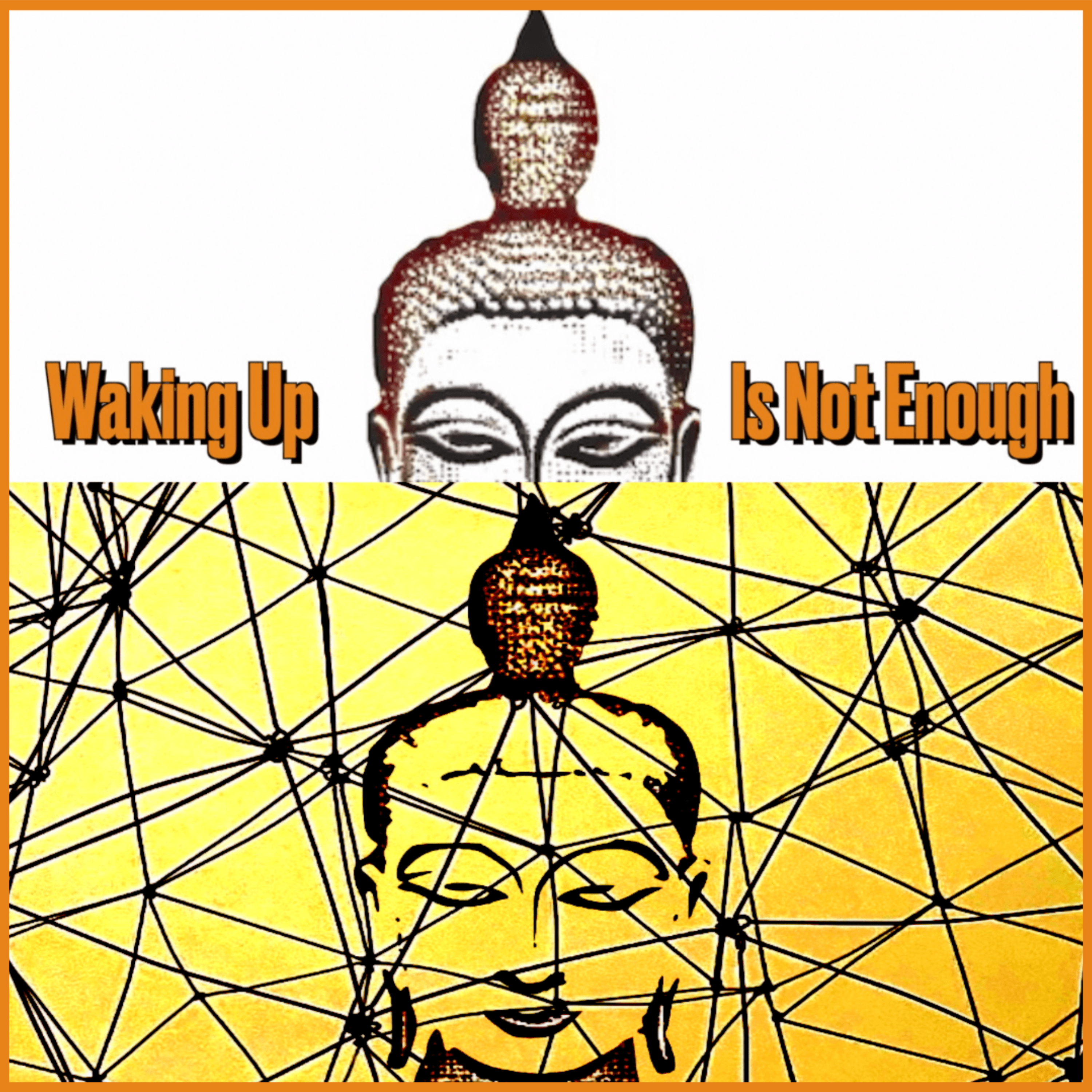
Mike and Polly spend some time reviewing what they learned and what they are thinking about in relation to their podcasts #11 and #12....
Why We Should Be at Ease With Ourselves and What Gets in the Way of It? Henry Shuman is a poet, author, and meditation...
GoFundMe Page - https://www.gofundme.com/f/support-real-dialogue-polly-mikes-podcast-on-awakening Polly and Mike talk with writer and speaker Terry Moore whose recent book Here.Now.One: A Practical Guide to Spiritual Life ...